Dogs | Lifestyle
How to Choose the Best Dog Breeds for Apartments in Australia
Balmy Brisbane nights in a high-rise or a snug unit in Melbourne – wherever you live, having a dog in a small space is absolutely doable. The best dog breeds for apartments are those with calm temperaments and moderate exercise needs, happy to swap a backyard for daily walks and indoor play. It all comes down to choosing a breed (or mix) that suits your Aussie apartment lifestyle — just as the ideal canine companion for seniors or the top pups for adventuring families depends on finding the right match for energy levels, routine, and home environment.
The Upshot
Temperament and routine matter far more than size when choosing an apartment dog.
A calm Greyhound can thrive in a studio while a hyperactive Jack Russell destroys it. Match your dog’s energy level and noise threshold to your actual daily routine and building rules — not your ideal version. The breed that suits your flat is the one whose needs you can honestly meet every single day.
Best Interactive Dog Toy

Outward Hound Dog Brick Interactive Treat Puzzle
- Three treat puzzles in one design
- Sturdy BPA-free plastic, easy to clean
- Not chew-proof if left unsupervised
See the full Product Guide: Best Interactive Dog Toys in Australia
Best Calming Bed
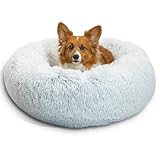
Best Friends by Sheri Calming Donut Bed
- AirLOFT fill holds loft 3× longer
- Deep crevice for burrowing dogs
- Pricier in larger sizes
See the full Product Guide: Best Dog Calming Beds in Australia

Why does this matter? More Aussies are living in apartments, but pet-loving renters often hit roadblocks with strict rules and limited space. In fact, housing constraints and costs have become a major barrier for would-be dog owners in units.
This article will help you navigate those challenges by highlighting which breeds — from tiny lapdogs to couch-potato giants — cope best in close quarters, and how to keep them happy and healthy. We’ll also point you toward helpful resources for responsible pet ownership along the way.
Quick Takeaways
The five things worth remembering. Scroll across to read all five.
Temperament trumps size
A calm, low-energy dog — even a large Greyhound — can thrive in a flat. A small but hyper breed may struggle far more than a big dog that’s happy to snooze all day.
Exercise is non-negotiable
Every apartment dog needs daily walks and mental stimulation, no exceptions. A bored pup in a unit will channel that energy into chewed furniture, constant barking, or both. Interactive toys help fill the gaps.
Small breeds shine indoors
Cavaliers, Cavoodles, and Maltese mixes are apartment favourites — affectionate, compact, and low-shedding. Factor in grooming costs and potential health expenses before committing, though; the upkeep is real.
Large breeds work too
Greyhounds, Great Danes, and Mastiffs spend most of the day snoozing. Their calm indoor temperament can make them better apartment dogs than many small, high-energy breeds. Size matters less than personality.
Check the rules first
Rentals and strata buildings often have pet restrictions — get approvals in writing and introduce your dog to neighbours early. NSW and some other states now prevent blanket pet bans, but conditions still apply.
What makes a dog breed good for apartment living?
Choosing an apartment-friendly dog is all about personality and needs, rather than just size. Ideal apartment dogs tend to be fairly mellow indoors and not prone to excessive barking. Think of a pup that’s happy to lounge around and won’t treat your hallway like an agility course all day. For example, many terriers or working breeds (even if they’re small) have endless energy and a big voice – a Jack Russell or Mini Foxie might bounce off the walls and bark at every pigeon on the balcony. On the other hand, a larger dog with a laid-back nature can be perfectly content in a unit. It’s no myth: a Greyhound or Mastiff often snoozes 16+ hours a day, so they might hog the couch but won’t beg for a huge backyard.
No matter the breed, living in an Australian apartment means you’ll need to provide regular exercise and enrichment outside your four walls. Every dog – big or small – must get out for daily walks, play, and sniffing adventures to burn off energy and keep boredom at bay. Skip those outings, and you risk your dog inventing their own fun (cue chewed furniture or annoyed neighbours).
Also consider climate and comfort: in warmer parts of Australia, breeds with thick coats or short muzzles may need fans or air-con in summer, since an overheated dog can’t exactly jump in a backyard pool to cool off.
And if you’re away all day, think about whether the breed copes well alone; some dogs are independent, while others (like a Velcro-esque Cavoodle) could fret without company.
Being honest about these factors will help you pick a canine companion who fits your lifestyle and space.
Popular small dog breeds for apartments
Small dogs are a common choice for apartment dwellers, and many toy or mini breeds make fantastic indoor buddies. They’re easier to carry up stairs, fit comfortably on your lap (or the end of the bed), and generally have lower exercise requirements. Here are a few favourite small breeds among Aussie unit owners:
Cavalier King Charles Spaniel
The Cavalier is often called the ultimate lapdog, and for good reason. These sweet-natured dogs love nothing more than cuddling on the couch.
In an apartment, a Cavalier’s moderate energy level is a big plus – they enjoy a daily walk or a romp at the local park, but you won’t find them bouncing off the walls at home.
They’re also typically quiet; most Cavs won’t bark their heads off unless poorly socialised or lonely. One thing to keep in mind is health: Cavaliers are prone to heart issues as they age, which means potential vet expenses down the track for medications or check-ups.
Regular vet visits are a must (as with any breed), and keeping your Cav at a healthy weight with proper diet and exercise can help manage those risks.
Cavoodle (Cavalier x Poodle)
It’s hard to walk through an Aussie city suburb without spotting a Cavoodle. This Cavalier-Poodle crossbreed has exploded in popularity thanks to its affectionate temperament and low-shedding coat.
Cavoodles adapt well to apartment life – they’re small, friendly, and happy as long as they get a bit of play and a short walk each day. Because of their Poodle genes, they don’t shed much fur (a bonus in a small flat where dog hair can otherwise get everywhere), but the trade-off is grooming.
Be prepared to invest in a professional clip every 6–8 weeks, plus regular brushing at home, to keep their coat tidy. It’s an ongoing cost to factor in. The payoff is a delightful, people-oriented dog who often does great even with first-time owners. Just watch for separation anxiety; Cavoodles bond closely with their humans and may become distressed if left alone all day, so consider doggy daycare or a pet sitter if you work long hours.
Maltese Shih Tzu (and other small crosses)
Australia has plenty of lovable little mixed breeds, especially Maltese/Shih Tzu crosses (sometimes just called “Malshis”). These pint-sized fluff balls are popular apartment dogs because they’re affectionate, adaptable, and usually under 5–7 kg.
A Maltese Shih Tzu will happily trot around your unit following you from room to room, then curl up for a nap. They do need some daily activity – short walks or indoor games of fetch keep them content – but they’re generally lower energy compared to a working breed.
Like Cavoodles, most Malshi types are low or non-shedding, meaning less hair on the sofa but more trips to the groomer.
Also, keep their ears and eyes clean; small breeds can be prone to tear staining or minor skin issues if not groomed properly. With gentle training and lots of companionship (they adore being part of the family), these mixes can thrive in a flat and charm everyone in the building with their cuteness.
French Bulldog
Sturdy, squat, and full of personality, the French Bulldog (or “Frenchie”) has become an urban favourite. Frenchies are great apartment dogs in the sense that they are relatively low-energy – a couple of short walks and some tug-of-war in the living room will usually suffice.
They’re more likely to be found snoring on the couch (and yes, they do snore) than pestering you for a marathon run. French Bulldogs also aren’t big barkers; they’ll alert you occasionally, but they’re not as yappy as, say, a Chihuahua. The caveat: their health and comfort need special attention. With a short snout, Frenchies can overheat in hot climates, so in an Aussie summer you’ll need to keep them cool with air conditioning or fans and avoid exercise in the heat of the day.
They’re prone to breathing issues, so gentle play is better than intense exercise. Vet bills for skin allergies or airway problems are something to budget for. If you can handle their snorts and occasional stubborn streak, a Frenchie can be a loyal, amusing flatmate.
| Breed | Apartment-friendly traits |
|---|---|
| Greyhound | Large in size but gentle and low-energy; content with short daily walks and long naps. |
| Cavoodle | Small, affectionate, and adaptable; low shedding but needs regular grooming and daily playtime. |
| French Bulldog | Compact and calm; minimal exercise requirements, though prone to overheating in hot weather. |
Laid-back large breeds for small spaces
You might be surprised, but some of the best apartment dogs in Australia are actually medium or large breeds known for their couch-potato lifestyles. When a dog is calm and quiet indoors, their physical size is less important than you’d think. Greyhounds are the poster pups for big apartment dogs – despite being racing legends, retired Greyhounds are famously lazy and gentle at home. They’ll gladly claim a corner of your sofa (or an entire beanbag) and snooze for most of the day.
RSPCA experts note that certain big breeds have earned the nickname mat dogs because of their love of lounging. Along with Greyhounds, breeds like Great Danes, Mastiffs, and Saint Bernards can be real loafers. Of course, their sheer size means you need enough floor space for a big bed and a wagging tail, and taking a 70 kg dog up and down stairs is its own workout – so not every apartment can accommodate a giant breed. But personality-wise, these gentle giants are often quieter and more relaxed than many small dogs.
Even a large, laid-back dog still needs regular exercise and toilet breaks outside. For example, a Greyhound typically is content with a couple of short walks or one brief run each day to stretch those long legs. You’ll also want to provide mental stimulation, like chew toys or food puzzles, especially if you have to leave them home alone.
One advantage with adopting an adult large breed (like through a rescue) is you already know their temperament – you can pick a known couch potato. Many Greyhounds in adoption programs are former racers that have been fostered in home environments, so agencies can tell you if they bark much or how they handle being alone. And don’t forget the practical stuff: big dogs eat a lot (bigger food budget), and produce… well, bigger poops. You’ll be hauling large bags of kibble and doing big clean-ups on walks. If you’re prepared for that, a placid larger dog can be a wonderful apartment companion who turns heads on the street and then relaxes at home.
Tips for apartment dog living
Living with a dog in a confined space means doing a bit of extra planning. Start with the basics: training and socialisation. Teaching your dog good manners (like not jumping on people, walking calmly on a leash, and settling down when told) is crucial when neighbours and visitors are always nearby. You’ll also want to work on barking control – in an apartment building, sound travels. Reward quiet behaviour and redirect excessive barking with toys or attention before it becomes a habit. Sometimes simply closing the blinds or putting on soft music can help if your pup tends to bark at outside noises or passers-by.
Next, consider the toilet routine. Without a backyard, you’re the one providing bathroom breaks. Most apartment dog owners get into a regular walking schedule (morning and evening, plus a quick late-night pee break). For emergencies or young puppies, you might use puppy pads or a balcony potty patch, but in the long run it’s best to train your dog to do their business outside. Always pick up after them – nothing will sour neighbour relations faster than a smelly surprise in the communal courtyard! Speaking of neighbours, it’s worth introducing your dog politely to people living on your floor. A quick hello and a wagging tail can go a long way to easing any concerns, and your dog will be less inclined to bark at familiar faces.
Don’t forget enrichment: mental stimulation is just as important as physical exercise, especially in a small home. Use treat-dispensing toys, chew toys, and rotate different toys to keep things interesting. Even playing a game of “find the treat” around the apartment can work your dog’s brain. Boredom is often the culprit when a dog starts destroying cushions or whining. A well-stimulated dog is a happy (and mostly quiet) dog.
Finally, factor in the ongoing costs and logistics unique to apartment life.
This means budgeting for grooming if you have a high-maintenance coat, possibly investing in an air purifier or frequent cleaning if you’re in a tiny space with a shedding breed, and ensuring you have a plan for pest control (fleas and ticks aren’t just a backyard problem – they can hitch a ride indoors too).
The good news is that many apartments are located near parks or dog-friendly cafes here in Australia, so you can make outings part of your routine. With patience, consistency, and a bit of Aussie laid-back ingenuity, you can absolutely raise a contented canine in an apartment.
FAQ
Can a dog really be happy living in an apartment?
Yes – if their needs are met, many dogs can live happy, fulfilled lives in apartments. It’s a myth that a dog will automatically be miserable without a backyard. Dogs mainly care that they get enough exercise, mental stimulation, and love from their humans. In fact, plenty of city dogs spend their days snoozing in the air-con and are perfectly content, as long as you take them out to stretch their legs and sniff the world. Even larger breeds can do well in units; a Greyhound or a Mastiff can be a total lounge lizard indoors. The key is picking a dog with a suitable temperament and then being a responsible owner. (Keep in mind, you should always follow your building’s pet guidelines and make sure your apartment has enough space for the dog’s size.) Dogs can absolutely be happy in apartments – it’s all about the care you provide.
Which breeds should I avoid in apartments?
Breeds (or mixes) with very high energy levels, loud voices, or a strong need for wide-open space are generally poor fits for apartment living. For example, working and herding breeds like Border Collies, Kelpies, German Shepherds, or Huskies can find a small unit pretty frustrating – they’re bred to run and have a job to do, and they’ll get bored or destructive without constant activity. Likewise, very vocal breeds or individuals (some terriers, Beagles, or even tiny yappy breeds) might drive your neighbours mad. That doesn’t mean it’s impossible, but it does mean a lot more effort is required to keep such dogs happy in a flat (think multiple long runs a day and advanced training). Also, consider size in relation to your specific space: a Great Dane could be calm as anything, but if your studio apartment can’t fit their bed or you can’t safely get them down the stairs, that’s a practical issue. In general, look for a dog that’s known to be adaptable and not excessively energetic. There are always exceptions, but it’s wise to steer away from breeds that were developed to work all day or guard territory – they just have different needs than a life in a small home can typically satisfy.
How often should I walk my apartment dog?
Plan for at least one to two outings every day. Even the most low-energy dog needs daily exercise and a chance to relieve themselves outside. A good rule of thumb is a minimum of 30 minutes of walking a day, which you can split into a brisk morning walk and a leisurely evening stroll. High-energy or young dogs will benefit from more – perhaps a lunchtime potty break or play session too. Importantly, it’s not just about physical exercise; walks provide mental stimulation (new smells, sights and social encounters) which dogs crave. If you skip walks, your dog may get pent-up energy or boredom that leads to unwanted behaviours. Remember, as one RSPCA guide puts it, dogs need to burn off energy or they’ll channel it into nuisance behaviours. So rain or shine, stick to a routine. And on days you’re swamped, even a quick game of fetch in the hallway or some indoor tug can help tide them over until you can go out properly.
Do I need permission to have a dog in my apartment?
Usually, yes. If you’re renting, you almost always need to get your landlord’s or property manager’s approval to keep a pet (and some states now have pet-friendly rental laws – for example, NSW strata pet rules prevent blanket bans on pets, meaning an owners’ corporation can’t just outlaw all dogs without reason). If you own your apartment, you should check the body corporate or strata by-laws. Most strata complexes in Australia have some pet rules – often it’s as simple as notifying the committee about your pet and agreeing to certain conditions like keeping the dog on leash in common areas or ensuring they don’t disturb others. The tide is turning and more buildings are embracing pets, seeing as so many Aussies have furry family members. Still, always do the homework: get any required approvals in writing to protect yourself, and be courteous (introduce your dog to the neighbours, follow house rules, and make sure your pup is well-behaved). That way, everyone in the building can stay on good terms.
Final thoughts
Apartment living with a dog is increasingly common in Australia, and with the right approach, it can be incredibly rewarding. The key is to choose the right breed or mix for your lifestyle – one that will be comfortable in your space and climate – and to invest time in their exercise and training.
Whether you go for a tiny Maltese-cross or a laid-back Greyhound, remember that every dog is an individual. Meet them, get to know their quirks, and be prepared to adapt. Our pets rely on us to create a safe, enriching home for them, even if that home is a one-bedroom flat. With love, patience, and a dash of humour, you and your canine companion can thrive together. Here’s to many happy memories with your four-legged mate in your cosy apartment!
We Think You’ll Also Like These Guides
 DOG
DOGBest Breeds for First-Time Dog Owners in Australia: Your Ultimate Guide
Your first dog should set you up to succeed. These forgiving, easygoing breeds suit new owners and Australian life.

 DOG
DOGBest Child-Friendly Dogs in Australia: Ultimate Guide and How-to
The right family dog is patient, gentle and unflappable around kids. Here are the breeds that fit busy households best.
 DOG
DOGThe Best Rural Dog Breeds for Farm Life in Australia
Farm life suits dogs built for work, weather and wide space. Here are the breeds that thrive in the bush — and how to choose.