Dogs | Accessories | Bedding
The Best Heated Dog Beds for Australian Winters: Ultimate Guide
A frosty morning hits an old dog hard. The body that bounced off the couch a few years ago now takes a slow, stiff minute to unfold, and a cold tiled floor does it no favours. A good heated dog bed takes the edge off — a warm, settled spot that's kinder on stiff joints and far more inviting than a draughty corner. Whether you're in a frosty Tassie cottage or a Melbourne flat where the cold creeps up through the floorboards, the right one keeps your dog cosy without running up the power bill or turning into a chew hazard. Here are four worth a look, and how to choose between them.
Best Overall

PaWz Electric Heated Dog Bed
- Adjustable heat, plush bed
- Heat pad lifts out to wash
- Basic pad, no timer setting
Best for Senior Dogs

Pet Scene Heated Pet Mat
- Timer plus thermostat control
- Steel cord, waterproof surface
- Flat mat, not a plush bed
Best for Power Outages

SnuggleSafe Microwave Heat Pad
- No cord — warms in a microwave
- Hours of heat in a blackout
- Needs reheating each evening
Best for Small Dogs

K&H Self-Warming Pet Pad
- No power, no running cost
- Nothing to plug in or chew
- Mild warmth, smaller dogs only

We compared heated dog beds and pads on the things that matter through an Australian winter — real warmth, electrical safety, chew resistance and how well each suits the dog using it. Our four picks run from a plug-in cushioned bed to a cordless pad you warm in the microwave, and if your dog spends cold nights outside it's worth knowing when it's too cold for a dog to sleep outdoors before you choose. First, the five things that separate a bed worth keeping from one that ends up in the shed.
What to look for in a heated dog bed
The five things that decide whether a heated bed earns its place. Scroll across to read all five.
Heating method
Electric pads and beds give steady, adjustable warmth from a power point. Microwave discs work cordless for blackouts and travel. Self-warming pads use no power at all, reflecting your dog's own body heat. Each suits a different need.
Electrical safety
For anything that plugs in, look for a thermostat, an auto shut-off and a proper chew-resistant cord — steel-reinforced holds up best. A bare wire a bored dog can reach is the one fault that turns gentle warmth into a real hazard, so it's worth paying up for.
AU plug and rating
Imported pads sometimes arrive with a US two-pin plug and a dubious adaptor. Stick to a product with a genuine AU three-pin plug rated for 240 volts — anything else is a fire risk not worth taking.
Size and your dog
A pad sized for a cat will leave a labrador half off the edge. Match the bed to your dog stretched out, not curled up, and size up for a senior who likes to sprawl as their joints stiffen.
Washability
Dog hair, muddy paws and the odd accident are part of the deal, and the RSPCA suggests washable rugs or blankets and a clean, draught-free sleeping spot. Look for a machine-washable cover or a pad that goes in whole — anything you can't clean easily becomes a winter-long problem.
At a glance
Our top four picks compared — specs, prices, and our one-line take on each.
| Rank | Product | Best for | Key feature | Price guide | Check price link |
|---|---|---|---|---|---|
| Best Overall |  | Most dogs wanting a proper warm bed | Cushioned bed with a removable, adjustable heat pad | $$ | Check price |
| Best for Senior Dogs |  | Senior or arthritic dogs needing steady warmth | Timer, thermostat and a chew-proof steel cord | $$$ | Check price |
| Best for Power Outages |  | Blackouts, travel and outdoor kennels | Cordless microwave disc, hours of warmth | $$ | Check price |
| Best for Small Dogs |  | Gentle warmth with zero running cost | Reflects body heat — no power, no cord | $$ | Check price |
Our picks in detail
What we love, what to watch for, and the dog each pick really suits.
Best Overall: PaWz Electric Heated Dog Bed
Bottom line — the bed we'd start most dogs on: a proper cushioned nest with adjustable warmth, at a price that's hard to argue with.
This is the bed we'd put most dogs on first. Unlike the flat pads further down, it's a genuine cushioned nest — polar fleece over PP-cotton filling — with a heat pad that slips inside and warms the base to a settled 35 to 50 degrees. You pick the level, so a thin-coated greyhound and a fluffy husky can each get the warmth that suits them.
It's built to live with a dog all winter. The cover unzips and machine-washes when it picks up the usual fur and muddy paw prints, and the heat pad lifts out come spring, so it doubles as an ordinary bed the rest of the year. At 90 by 70cm there's room for a medium or large dog to stretch right out. The cable has a bite-resistant sleeve, though that's no substitute for watching a keen chewer the first few nights. There's no timer like the pricier mats — but for a warm, washable, cushioned bed at this price, it covers what most homes need.
| What we love | Areas for improvement |
|---|---|
|
|
Best for Senior Dogs: Pet Scene Heated Pet Mat
Bottom line — the safest, most controllable warmth for a stiff old dog: set the timer, set the temperature, slide it under their bed.
Steady, predictable warmth is what an arthritic dog wants, and this mat delivers it better than anything else here. It's a thermostatically controlled heating pad with an LED display and a timer you can set to 4, 8, 12 or 24 hours, so it runs through the coldest part of the night and clicks off on its own. The warmth eases stiff hips the way a wheat bag eases ours.
It's a pad rather than a bed, which sounds like a downside until you realise it's the point: you slide it under the bed your dog already loves instead of asking an old dog to accept a new one. The cord is wrapped in steel so a bored chewer can't reach the wire, and the surface is waterproof — which earns its keep with a senior prone to the odd accident. Two washable covers come in the box. The one catch is comfort: on its own it's a firm warming layer, so add a soft bed or a folded blanket on top.
| What we love | Areas for improvement |
|---|---|
|
|
Best for Power Outages: SnuggleSafe Microwave Heat Pad
Bottom line — the one to have when the power goes out: heat it in the microwave and it warms a crate or kennel cordless for hours.
When a storm knocks the power out — and an Australian summer storm or a frosty country night both manage it — this is the warmer worth having in the cupboard. It's a hard disc filled with a heat-storing gel: a few minutes in the microwave and it gives off gentle warmth for up to ten hours. No cord, no power point, nothing for a dog to chew through.
That cordless freedom is the whole appeal. It'll keep a crate, kennel or caravan warm where no power reaches, and it's as handy for a road trip or a night at the vet as it is for a blackout. The warmth is real but it's a single charge — it fades overnight, so an early riser might nose you for a fresh zap before breakfast, and you do have to remember to reheat it each evening. The disc is firm, meant to sit under a blanket or inside a bed rather than be the bed. For its one job, though, nothing here is more dependable.
| What we love | Areas for improvement |
|---|---|
|
|
Best for Small Dogs: K&H Self-Warming Pet Pad
Bottom line — the no-risk pick: it reflects a dog's own heat back, costs nothing to run and has no cord to worry about.
Not every dog needs a heater, and not every owner wants one running all winter. This K&H pad takes a different route — a reflective inner layer bounces a dog's own body heat back at them, so it warms up a few degrees above the room with no electricity at all. There's nothing to plug in, nothing to switch off, and no cord to find its way into a teething pup's mouth.
At 53 by 43cm it suits a small dog, a pup or a cat, and slips neatly into a crate or onto a favourite chair. The warmth is gentle by design — it takes the chill off a cold floor rather than turning into a hot spot, which is just right for a young pup who can't be trusted with a powered pad yet. It's machine washable, light enough to move from room to room as the sun shifts, and costs nothing to run for its whole life. The honest limit: it'll never feel toasty the way an electric pad does, and it does nothing for a dog who isn't lying on it.
| What we love | Areas for improvement |
|---|---|
|
|
FAQ
Are heated dog beds safe to leave on overnight?
How do self-warming dog beds work without electricity?
Will a heated bed help my old dog's arthritis?
What size heated bed does my dog need?
Is it safe to use a hot water bottle to keep my dog warm?
Final thoughts
An Australian winter is mild next to a Canadian one, but a cold snap still finds the soft spots — the tiled kitchen Bruce flops on, the draught under the back door, the 3am chill that has an old dog circling and grumbling before they settle. A bit of warmth in the right place fixes more of that than people expect — and come summer, a good cooling bed does the same job in reverse.
If I were choosing again, I'd start by being honest about which dog I'm buying for. A young, healthy dog in a mild part of the country might be perfectly happy with a gentle no-power pad. A stiff old dog, or anyone facing a properly cold inland winter, is worth the steadier warmth of a thermostat and a timer. And if your power likes to drop out in storm season, having something cordless in the cupboard is never a wasted few dollars. Whichever way you go, keep it pet-made, keep the cord out of reach, and give your dog the choice to move off the heat when they've had enough — they'll let you know, in their own way, that you got it right.
We Think You’ll Also Like These Guides
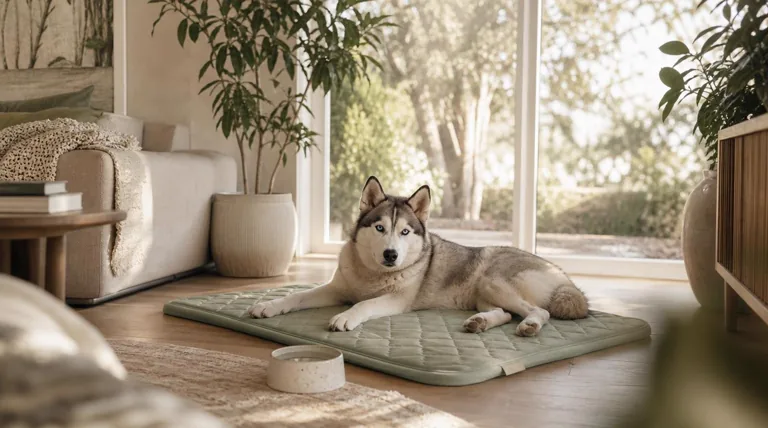 DOG
DOGBest Cooling Mats for Dogs in Australia: Ultimate Guide
When the heat hits, a cooling mat gives your dog a place to chill. We found the best for safe, lasting relief through summer.

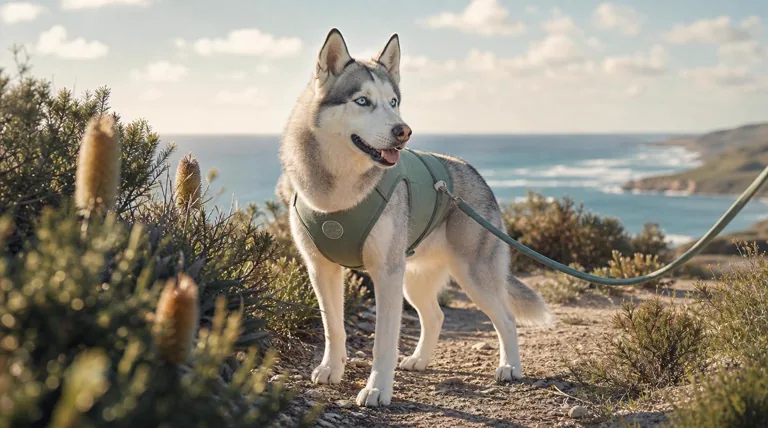 DOG
DOGBest Cooling Vests for Dogs in Australia: Your Ultimate Guide
On scorching days, a cooling vest helps your dog stay active and safe. We compared the best for fit, cooling power and Aussie heat.

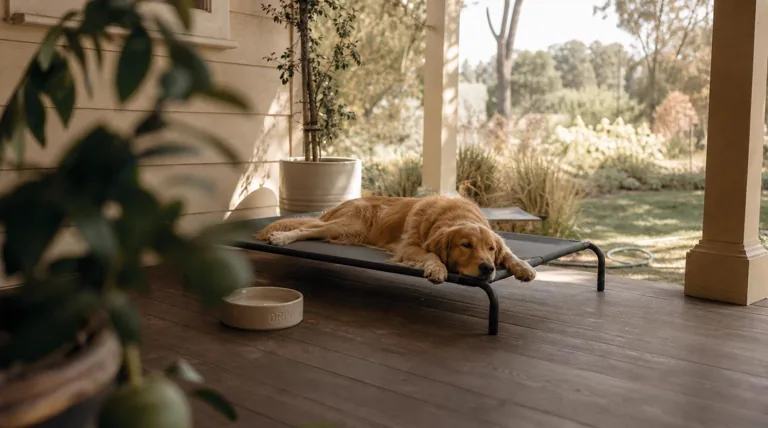 DOG
DOGBest Dog Cooling Beds in Australia: Ultimate Guide
A cooling bed gives your dog a chill spot when the mercury climbs. We picked the best for safe, no-power relief all summer.