Cats | Food
Best Kitten Food in Australia: Our Top Wet and Dry Picks
Kittens grow astonishingly fast. Most of it happens in the first year, when they're building bone, muscle, brain and eyes all at once, so what goes in the bowl matters more than it looks. A kitten-specific food is made for exactly that stage, and it's what the RSPCA recommends too. We've narrowed the shelf down to four we'd be happy to start a kitten on: a premium dry, a wet food for extra moisture, a grain-free bag, and a budget pick that still ticks every box.
Best Overall

Purina Pro Plan Kitten Dry
- Colostrum and DHA for growth
- Largest bag here, 3.5kg
- One chicken flavour
Best Wet Food

Royal Canin Kitten (Chunks in Gravy)
- Chunks in gravy, soft texture
- Adds moisture to the diet
- Costs more per day
Best Grain-Free Pick

Fussy Cat Grain Free Kitten
- Grain-free, Australian made
- Australian meat as main protein
- Small 450g bags
Best Budget Pick
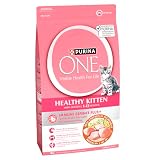
Purina ONE Kitten Dry
- Low price per kilo
- DHA, vitamin A, taurine
- Smaller 1.4kg bag

Choosing between them comes down to three questions: wet or dry, premium or budget, and whether you'd like to skip grains. Pro Plan and Fussy Cat are labelled complete and balanced for kittens, and with the other two it's worth checking the pack for those same words. After that, the differences are the format, the ingredients and what you'll spend each day.
What to look for in a kitten food
Five things worth checking on the label before you buy. Swipe through all five.
Complete and balanced
The label should say the food is complete and balanced for growth or for kittens. A food labelled complete for all life stages also covers growth. A food made only for adult cats doesn't. The RSPCA also advises a food made to the Australian pet food standard (AS 5812) or an equal overseas standard.
Protein for a carnivore
Kittens need plenty of protein, and it should come from meat. The RSPCA notes cats are obligate carnivores, which means they must eat meat. It also says they need more protein than dogs and many other animals. Look for a meat or meat meal at the top of the ingredient list.
Wet, dry or both
Dry food is convenient, keeps well and costs less per day. Wet food adds moisture, and the RSPCA suggests starting a kitten on wet food and bringing in dry as it grows. Many owners feed a mix, and there's no wrong answer as long as the food is made for kittens.
DHA for development
DHA is an omega-3 fat found in mother's milk. Kitten food makers add it to support brain development and vision. Two of the foods here list it, and it's a useful thing to see on the label for a growing kitten.
Price per kilo
A small bag can look cheap and work out dear once you divide the price by the weight. Check the price per kilogram for dry food, or per pouch for wet, and remember a kitten eats little and often, so you'll go through food steadily across that first year.
At a glance
The four kitten foods side by side: who each suits, the format and size, and the price tier.
| Rank | Product | Best for | Key feature | Price guide | Check price link |
|---|---|---|---|---|---|
| Best Overall |  | Most kittens, as the main diet | 3.5kg complete dry with colostrum and DHA for growth | $$ (3.5 kg) | Check price |
| Best Wet Food |  | Kittens that prefer wet food | 85g pouches, chunks in gravy, for kittens up to 12 months | $$ (12 × 85 g) | Check price |
| Best Grain-Free Pick |  | Owners who want a grain-free food | Grain-free, Australian meat as the main protein, 3 × 450g | $ (3 × 450 g) | Check price |
| Best Budget Pick |  | Cost-conscious first-time owners | 1.4kg complete dry with DHA, vitamin A and taurine | $ (1.4 kg) | Check price |
Our picks in detail
What we rate, what to watch, and the kitten each food suits.
Best Overall: Purina Pro Plan Kitten Dry
Bottom line — a complete premium dry with colostrum and DHA, the kitten food we'd start most kittens on once they're eating solids.
This is the one we'd start most kittens on as their main meal once they're eating solid food, and it's where we'd point a nervous first-time owner. It's a complete and balanced diet for kittens, with colostrum and DHA in the recipe. DHA is an omega-3 found in mother's milk, added here to support brain development and vision. Chicken comes first on the ingredient list, with salmon and tuna further down.
The 3.5-kilogram bag is the largest here, and it keeps well sealed in a cupboard. Two things to keep in mind. It comes in one chicken flavour, so if your kitten turns its nose up, there's no other flavour in this range to try. And because it's dry, it adds no water to the diet. The RSPCA suggests starting kittens on wet food and bringing in dry as they grow, and this one can be fed moistened after weaning. Pair it with some wet food and keep fresh water nearby.
| What we love | Areas for improvement |
|---|---|
|
|
Best Wet Food: Royal Canin Kitten
Bottom line — a soft wet kitten food in gravy, which adds moisture to your kitten's diet.
This is our pick if you'd like a wet food in the mix, and let's be honest, gravy is a big hit with a lot of kittens. It's chunks in gravy for indoor kittens aged 4 to 12 months, with a soft texture and small pieces sized for baby teeth. The feeding guide on the pack starts earlier, at 6 weeks, and Royal Canin makes a separate mousse for younger kittens. So check the pack against your kitten's age, and ask your vet about a very young kitten.
Wet food also adds water to the diet, and the RSPCA suggests giving kittens some moist food regularly. There's a cost, though. Going by the feeding guide, a kitten gets through two to three pouches a day, which adds up faster than a bowl of dry. Store opened pouches as the pack directs. Most owners end up feeding both: wet for moisture and the treat factor, dry for price and convenience. This one sits nicely alongside a dry food.
| What we love | Areas for improvement |
|---|---|
|
|
Best Grain-Free Pick: Fussy Cat Grain Free Kitten
Bottom line — a complete grain-free kitten food made in Australia, for owners who'd rather skip grains.
If you'd rather feed grain-free, this is the one we'd look at first. It's complete and balanced for kittens from 2 to 12 months, and made here in Australia with Australian meat as the main protein. Poultry meal leads the ingredient list, with peas and lentils standing in for grain, and protein is high at 38% on the label.
A couple of honest caveats. Most kittens do perfectly well on food with grains in it, so grain-free is a preference, not a must. If your kitten keeps getting an upset tummy, see your vet before you change foods. And the 450-gram bags go quickly with a hungry kitten, though the three-pack helps.
| What we love | Areas for improvement |
|---|---|
|
|
Best Budget Pick: Purina ONE Kitten Dry
Bottom line — strong value: a complete dry kitten food with DHA, vitamin A and taurine, at a low price per kilo.
When the budget is tight, this is the kitten food we'd reach for, and there's no shame in that. It's made for kittens from weaning to 12 months and costs less per kilo than the Pro Plan. It has added vitamin A and DHA to support vision and brain development, plus taurine for the heart, and real chicken is the first ingredient.
What you give up is the colostrum in the Pro Plan, and a little protein (39% against 41% on the label). Like the other dry foods here it adds no moisture, so keep fresh water out and think about some wet food alongside. Check the pack says it's complete and balanced for kittens.
| What we love | Areas for improvement |
|---|---|
|
|
FAQ
How is kitten food different from adult cat food?
Wet food or dry food for a kitten?
How often should I feed my kitten?
Can I feed my kitten dog food or puppy food?
How do I know I'm feeding my kitten properly?
Final thoughts
If you take one thing from this guide, make it the label. It should say the food is complete and balanced for kittens, or for growth. After that, pick the format and the price that suit your household. Wet food adds moisture, a good dry food is convenient and cheaper per day, and most of us end up using a bit of each. If money's tight, a complete budget food is a perfectly good choice. You don't need the dearest bag on the shelf.
Feed small meals several times a day. Use the amount on the pack as a starting point, then adjust to your kitten's body condition, and ask your vet if you're unsure. My own cat, Pixel, is well past her kitten months now and has firm opinions about dinner time. But the advice I'd give any new owner hasn't changed: pick a complete kitten food, feed to your kitten's condition, and check in with your vet if anything seems off. Keep a kitten food going until around twelve months, then move to an adult food. Later on, a senior cat food may suit an older cat. In the meantime, enjoy the kitten months. They go far too quickly.
We Think You’ll Also Like These Guides
 CAT
Best Senior Cat Food in Australia for Older and Ageing Cats
Older cats digest food differently. We found the senior cat foods that support ageing joints, kidneys and appetite — without the premium-price hype.

 CAT
My Cat Eats Too Fast Then Vomits: Ultimate Fixes That Don’t Involve Changing Food
Scarf, then bring it back up — sound familiar? Here's why cats do it, and the simple fixes that don't mean changing food.

 CAT
Best Cat Bowls for Safety and Comfort: Ultimate Australian Guide
The wrong bowl can trigger whisker stress and tummy upsets. We picked the safest, most comfortable cat bowls for everyday meals.