Cats | Travel
Best Cat Carriers in Australia: Hard, Soft and Backpack Picks
Every cat owner learns the same lesson the hard way: the carrier only matters on the days it really matters — a vet emergency, a house move, a long drive — and by then it's too late to wish you'd bought a better one. A cat that feels trapped will brace, howl and sometimes escape, so the carrier you choose shapes how the whole trip goes. The right cat carrier in Australia balances security, ventilation and a design your cat can be coaxed into, whether you need a sturdy box for vet visits or a soft bag that slides under a plane seat. Get it right once and it lasts for years.
Best Overall
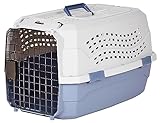
Amazon Basics 2-Door Top-Load Hard Carrier
- Top-loading hard shell
- One-handed spring latches
- Bulky to store
Best for Air Travel
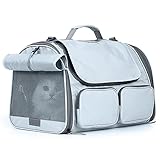
FUKUMARU Airline-Approved Cat Carrier
- Cabin-sized soft bag
- Roll-down privacy cover
- Less crash protection
Best Budget

TWDEPART Foldable Cat Carrier
- Folds flat; bowl included
- Sturdy for the price
- Short trips only
Best for Adventures

Lekespring Expandable Cat Backpack
- Expandable, well-ventilated
- Hands-free carrying
- For confident cats only

We compared hard-sided carriers, soft cabin-style bags and expandable backpacks to find four that suit different cats, budgets and trips. Each was weighed on security, ventilation, how easy it is to load a reluctant cat, and how it holds up on the road or in the air. Below: what to look for before you buy, a quick comparison, and full notes on every pick.
What to look for in a cat carrier
The five things that decide whether a carrier works for your cat and your trips. Scroll across to read all five.
Size it to your cat
A cat should be able to stand up, turn around and lie down flat inside. Too small is stressful; too big lets them slide around in the car. Check the internal dimensions against your cat's length and weight, ignoring the vague pet-size label.
Look for a top that opens
A carrier that opens from the top, or whose lid lifts off, lets you lower a nervous cat in from above and lets the vet examine her in the base. The RSPCA notes this keeps a cat in her 'safe place' during exams.
Match it to the trip
A hard shell suits vet visits and car travel; a soft cabin-sized bag suits flights, though in Australia only Virgin flies cats in the cabin — Qantas and Jetstar carry them in the hold; a backpack suits walks and public transport. Buy for the journeys you take, and skip paying for the rare one-off you might make once.
Check the ventilation
Mesh on several sides keeps air moving and stops a stressed cat overheating, which matters in an Australian summer or a warm car. Open mesh also gives an anxious cat more to see out of, with a cover to shut it off when she'd rather hide.
Make sure it secures
An unsecured carrier becomes a projectile if you brake hard. Look for one you can thread a seatbelt through or clip to an anchor point, and set it on the seat or footwell — the same car-restraint principles we cover for dogs apply.
At a glance
Our top four picks compared — type, features, price and our one-line take on each.
| Rank | Product | Best for | Type & features | Price guide | Check price link |
|---|---|---|---|---|---|
| Best Overall |  | Vet trips and everyday car travel | Hard shell with dual top and front doors and one-handed spring latches, 58 cm. | $$$ (hard-sided) | Check price |
| Best for Air Travel |  | Cabin flights where cats are allowed | Soft airline-approved bag with four entries, claw-resistant mesh and a roll-down cover. | $$ (airline soft) | Check price |
| Best Budget |  | First-time buyers and short vet runs | Foldable Oxford-fabric bag with a roll-up shade, mesh panels and a bundled bowl and cushion. | $ (foldable) | Check price |
| Best for Adventures |  | Walks, travel and adventurous cats | Expandable backpack with 360° mesh, multiple entries and an internal anti-escape clip. | $$$ (backpack) | Check price |
Our picks in detail
What we rate, what to watch out for, and who each pick really suits.
Best Overall: Amazon Basics 2-Door Top-Load Hard Carrier
Bottom line — a sturdy, top-opening hard carrier from a brand you can trust; the safe default for the drive to the vet.
This Amazon Basics carrier is built the way a vet carrier should be: a hard, impact-resistant plastic shell with steel-wire doors, and a top that lifts open as well as a front door. That top-loading design is the detail that matters most — you can lower a nervous cat in from above and, if she panics at the clinic, the vet can lift the lid and examine her while she stays put in the base instead of being dragged out through a front hatch. The top door swings open either way and doubles as a carry handle.
The spring-loaded latches open and close one-handed, which you appreciate with a squirming cat and a lead in your other hand, and there's plenty of ventilation across the sides, top and back. At 58 by 38 by 33 centimetres it's roomy for an average adult cat, and the smooth plastic wipes clean after an accident. It isn't a fashion piece — the look is plain and it's bulky to store — and there's no seatbelt slot, so it sits on the seat rather than strapping to it. But for the trip that counts most, it does everything you need.
| What we love | Areas for improvement |
|---|---|
|
|
Best for Air Travel: FUKUMARU Airline Carrier
Bottom line — a cabin-sized soft carrier with the ventilation and cover a stressed cat needs, if air travel is the plan — but check your airline first: in Australia only Virgin flies cats in the cabin, and only up to 8kg.
The FUKUMARU is the one to look at if flights are in your cat's future. It's a soft-sided bag sized to slip under an aircraft seat, with claw-resistant mesh on four sides and a roll-down cover that turns the open, airy bag into a dim, enclosed den when your cat needs to feel hidden away.
Before you count on cabin travel, check your airline — it's far from standard in Australia. Qantas and Jetstar don't allow cats in the cabin at all; they fly in the hold. Virgin is the only major carrier that takes them in the cabin, on its Pets in Cabin services, and only up to 8kg for cat and carrier combined (around $149 a trip). Airline-approved is a maker's label, not a guarantee, so confirm your own flight's pet policy and under-seat size before you book.
Soft carriers earn their keep on comfort and flexibility. This one has four zip entries — two top, two side — so you can load your cat whichever way she's least likely to object, and the padded base gives her something better than hard plastic to settle on. It squashes down for storage between trips and the whole thing is washable, which matters more than you'd think after a long, anxious flight. The trade-off is structure: a soft bag won't shield a cat from a knock the way a hard shell does, so it's built for cabins and laps, not the boot on a rough road.
| What we love | Areas for improvement |
|---|---|
|
|
Best Budget: TWDEPART Foldable Carrier
Bottom line — a capable soft carrier for short trips at a fraction of the price; the best value pick here.
The TWDEPART proves a budget carrier doesn't have to feel flimsy. Reinforced Oxford fabric over a metal frame gives it more structure than the price suggests, and it folds nearly flat when you're not using it, which is a real plus if you're short on cupboard space in an apartment.
For the money, it's surprisingly well thought out. Large mesh panels keep the air moving, a roll-up shade lets you darken the interior for a cat that calms down when hidden, and it comes with a collapsible bowl and a soft cushion, so you're not buying the extras separately. It's a soft bag, so it's best kept for short vet runs and car trips; flights and big adventures ask more of it, and the lightweight frame won't take the punishment a hard shell will. But as a first carrier, or a spare to keep in the car, it does far more than its price tag implies.
| What we love | Areas for improvement |
|---|---|
|
|
Best for Adventures: Lekespring Cat Backpack
Bottom line — a well-ventilated, escape-proof backpack for the adventurous cat and the hands-free owner; niche, but the best of its kind.
The Lekespring backpack is for the cat who goes places — the owner who takes their cat on walks, bike rides or camping, or simply wants both hands free on public transport. It expands out the back into a roomier pod so your cat can turn around and settle, then zips flat again for carrying, and four mesh windows keep the airflow up on warm Australian days.
It's the most specialised pick here, and that's the point. The reinforced frame and solid base stop it collapsing onto your cat, an internal safety clip stops a bolter leaping out the moment you unzip it, and there are front, side and back openings plus a top you can reach through to reassure her mid-trip. Side pockets hold treats and a water bottle. It won't replace a proper hard carrier for the vet, and a cat has to be reasonably relaxed to enjoy being worn — but for the adventurous minority, nothing else on this list comes close.
| What we love | Areas for improvement |
|---|---|
|
|
FAQ
What size carrier does my cat need?
Hard or soft carrier — which is better for a cat?
How do I get my cat to go into the carrier?
Can I use one carrier for two cats?
Is a carrier really necessary for a short trip?
Final thoughts
The best carrier is the one that fits your cat, your car and the kind of trips you take. The longest feature list rarely wins. A cat who only ever visits the vet has completely different needs from one you're flying interstate or taking on weekend adventures, so start with the journey and work back.
Whatever you choose, the carrier itself is only half the job. A cat that's only ever seen the carrier come out before a vet trip will fight it every time. Pixel used to bolt the moment I reached for hers, until I left it open in the lounge with a blanket inside and stopped hiding it away between trips — now she naps in it by choice. Leave yours out, make it smell like home, and reward your cat for going in. The calmest trip starts days before you leave, well before the front door.
We Think You’ll Also Like These Guides
 DOG
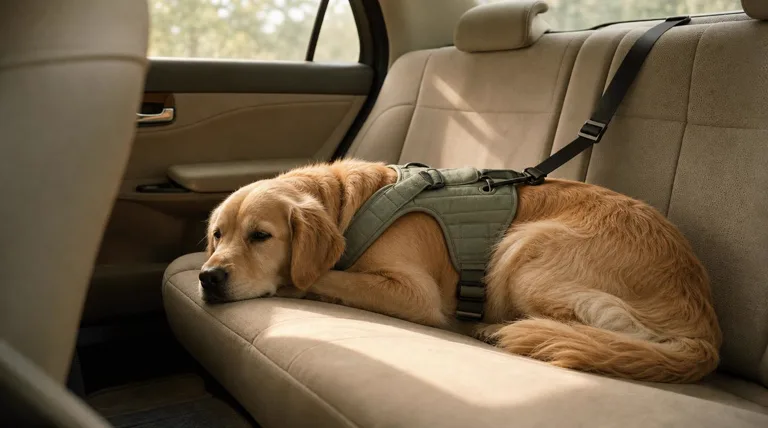
DOGBest Dog Car Harnesses in Australia: Four Picks for Safe Travel
Four dog car harnesses for Australian drivers, from a crash-tested EzyDog pick to a budget vest — plus how to fit one and keep your dog safe on the…

 DOG
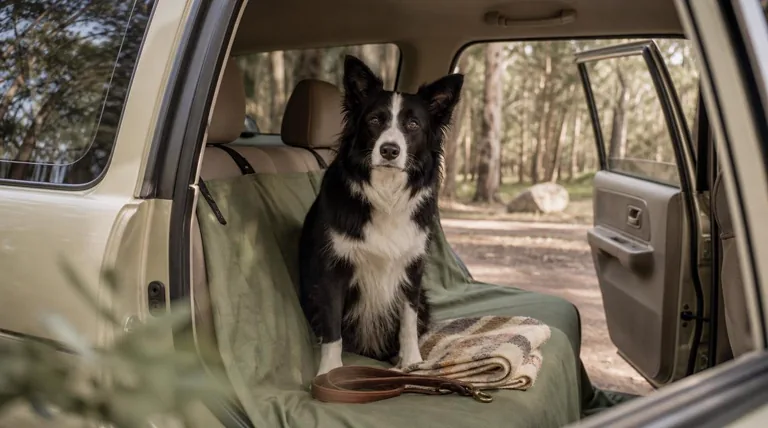
DOGBest Dog Car Seat Covers: Ultimate Australian Reviews
Mud, fur and claws are no match for the right cover. We found the best car seat protectors that actually stay put and clean up easy.
 DOG
DOGDog Travel Crates Australia – Airline Approved and Car Safe
Whether by car or plane, a sturdy crate keeps your dog safe on the move. We found the best airline-approved and car-safe picks.