Cats | Dental Care
Best Cat Dental Care in Australia: Treats, Paste and Gels
A cat's mouth is where trouble hides in plain sight. By the time the breath turns properly foul or a cat starts dropping kibble, plaque has usually been hardening into tartar under the gumline for months — and the RSPCA puts some level of dental disease in around 70% of cats by three years of age. Daily brushing is the gold standard, but anyone who has tried to brush a cat's teeth knows how that negotiation tends to end. The reassuring part is that daily brushing isn't the only move. Between the gold standard and doing nothing sits a whole spread of easier cat dental care — a dental treat, an enzymatic toothpaste, a water additive or a brush-free gel — and the best one is the one you'll keep up. Here are four worth a place in the cupboard.
Best Overall

Greenies Feline Dental Cat Treats
- VOHC-accepted tartar control
- Under 2 calories per treat
- Can't reach under the gumline
Best for Brushing
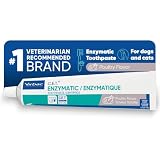
Virbac C.E.T. Enzymatic Toothpaste
- Dual-enzyme, safe to swallow
- Poultry flavour cats accept
- You still have to brush
Best Hands-Off Pick

Arm & Hammer Complete Care Dental Water Additive
- No handling — dose the bowl
- Suits multi-cat homes
- The mildest effect here
Best Brush-Free Pick

TropiClean Fresh Breath Oral Care Cat Gel
- Brush-free daily habit
- Brush-free, finger-applied
- Still need to touch the mouth

The four picks here work in different ways, and that's deliberate — dental care only helps if it fits the cat and the routine it has to live in. Below we set out the five things that separate real dental care from a breath-freshening gimmick, line the four up side by side, then work through each so you can match the method to the cat you've.
What to look for in cat dental care
The five details that matter most. Scroll across to read all five.
Fit to the cat
The best method is the one your particular cat will accept without a daily fight. A treat, an additive, a gel and a brush ask very different things of a cat's patience, so start where you've the best odds of keeping it up.
The VOHC seal
The Veterinary Oral Health Council awards its seal to products shown in trials to slow plaque or tartar. It's not on every good product, but where you see it the cleaning claim has passed an independent test.
Clean or just fresh
Fresh breath and real plaque control aren't the same thing. Look for a product that names plaque and tartar on the label, because masking the smell does nothing for the disease building underneath it.
How far it reaches
Feline dental disease starts at the gumline, and brushing is the one method that works that margin directly. Crunchy treats and gels clean the surfaces they contact, so lean on the gentler tools to hold the line and expect a brush to do the deeper work.
The daily habit
Whatever you choose becomes an every-day routine, so weigh how easy it's to keep up against what a year of it costs — the per-unit figures beside each pick are there for that. A method you'll keep up beats a better one you abandon after a fortnight.
At a glance
Our four picks compared — specs, prices, and our one-line take on each.
| Rank | Product | Best for | Key feature | Price guide | Check price link |
|---|---|---|---|---|---|
| Best Overall |  | Most cats, as an easy daily plaque-control treat | Crunchy VOHC-accepted treat that scrubs tartar as the cat chews. | $$ (277g) | Check price |
| Best for Brushing |  | Owners willing to brush for the deepest clean | Dual-enzyme paste that keeps working after brushing, and safe to swallow. | $$ (70g) | Check price |
| Best Hands-Off Pick |  | Cats that won't tolerate a treat, brush or gel | A water-bowl additive that works with no handling of the cat at all. | $$ (2-pack) | Check price |
| Best Budget Pick |  | A low-cost brush-free option for touch-tolerant cats | A gel you smear on the gumline — brush-free, and no technique to learn. | $$ (59ml) | Check price |
Our picks in detail
What we love, what to watch for, and who each pick really suits.
Best Overall: Greenies Feline Dental Cat Treats
Bottom line — the daily dental win most cats take without a fight: a VOHC-accepted crunch that scrubs tartar while it eats like a treat.
Greenies are the default cat dental treat for good reason. Each chicken-flavoured piece is built to crunch rather than crumble, so it fractures against the tooth as the cat bites and drags plaque off the surface before it hardens into tartar. It carries the VOHC seal for tartar control — an independent mark of approval most treats never earn — and comes in at under two calories a piece.
The real strength here is adherence: a treat is the one form of dental care a cat will queue up for, which matters far more than a superior method left sitting unused in a drawer. Give the daily serve the pack sets for your cat's weight, ideally after a meal so it's not a free-for-all, and store it sealed against the summer humidity that turns any treat stale. Two real limits: the crunch cleans the chewing surfaces but doesn't do much for the gumline itself, which is where disease starts, and it's still food, so it counts toward the day's calories. Neither is a reason to skip it.
| What we love | Areas for improvement |
|---|---|
|
|
Best for Brushing: Virbac C.E.T. Enzymatic Toothpaste
Bottom line — the closest thing to the vet's gold standard at home, if you can win the nightly battle of getting a brush in.
This is the one that gets closest to what a vet would tell you to do. It's an enzymatic paste, so alongside the mechanical scrub of the brush it uses a dual-enzyme system that keeps working on plaque bacteria after you've finished. There are no foaming agents, which means it's safe for a cat to swallow — no rinsing, no spitting, not that a cat would cooperate anyway.
Brushing is the most effective home method there is — the RSPCA puts daily brushing at the top of the list — because it's the one that works the gumline itself, where feline dental disease begins. The catch is entirely practical: a brush left in the drawer cleans nothing, you'll need a soft cat toothbrush or a finger brush to apply it, and building the habit takes patience — start slow, let the cat taste the poultry paste as a treat first, and work up to a few teeth at a time. For an owner prepared to do the groundwork, this is the most effective pick on the list. For everyone else, it's the one most likely to end up unused.
| What we love | Areas for improvement |
|---|---|
|
|
Best Hands-Off Pick: Arm & Hammer Complete Care Dental Water Additive
Bottom line — the pick for the cat you can't handle: dental support that asks nothing more than dosing the water bowl.
For the cat that treats a toothbrush as an act of war and inspects every new treat with suspicion, this is the path of least resistance. You add a measured dose to the water bowl each day and the additive does its work while the cat drinks — no wrestling, no handling, nothing for the cat to refuse. It's aimed at both bad breath and the plaque that causes it.
Water additives are the gentlest tool in the kit, and it's fair to set expectations accordingly — the category has some evidence behind it — a controlled trial in cats found that adding xylitol to drinking water reduced plaque and calculus, though that's a different active to the one here — and no additive can match the physical scrub of a treat or a brush. Where it earns its place is consistency and coverage: it works every time the cat drinks, and it covers a whole multi-cat household from one bowl. Measure the dose properly, refresh it daily, and keep a plain water bowl available too in case a fussy drinker baulks at the change.
| What we love | Areas for improvement |
|---|---|
|
|
Best Budget Pick: TropiClean Fresh Breath Oral Care Cat Gel
Bottom line — the low-cost middle ground: more contact than an additive, less fuss than a brush. Gums that are already red or sore need a vet first.
The gel sits neatly between the hands-off additive and the full brushing routine, and it's the cheapest of the four to pick up, though per millilitre the water additive works out far cheaper to run. You apply a small amount along the gumline — a fingertip does the job — and it goes to work on the bacteria behind bad breath and plaque, and the gel gives you a gentle way to massage the gum tissue as you go.
It's a fair compromise for a cat that will let you near its mouth but draws a hard line at a brush. Because you're placing the gel directly where plaque gathers, it makes more contact than an additive diluted in a bowl, without the technique and patience a proper brushing habit demands. It won't clean as thoroughly as a brush reaching the gumline, and a cat that hates having its face handled won't make it easy — but as a daily, brush-free habit that costs little to keep up, it holds its own. Ease it in gently and let the cat get used to the touch. If the gums are already red, sore or bleeding, book the vet before you start — that's disease to be treated, not plaque to be managed.
| What we love | Areas for improvement |
|---|---|
|
|
FAQ
Do I really need to do anything about my cat's teeth?
What is the single most effective thing I can do at home?
What does 'VOHC-accepted' mean?
Do water additives and gels work as well as brushing?
How do I know if my cat already has a dental problem?
Final thoughts
I brush Pixel's teeth nowhere near as often as I should — and that's exactly why I've come round to thinking the best cat dental care is whatever survives contact with real life. The gold-standard answer is a brush and an enzymatic paste every night. The realistic answer is that most of us need a fallback for the nights it doesn't.
My rule of thumb is to start with one method the cat tolerates without a wrestling match, use it every day, add a second when that one has stuck, and treat it as what keeps plaque in check between annual vet checks — a stopgap, never a cure. A treat, an additive or a gel won't reverse disease that has already set in — that's a job for a vet, and sometimes a scale and polish under anaesthetic. Started early on a young mouth, though, daily and without drama, home dental care is one of the few preventive things you can do for a cat. Whatever you land on, it only works if it happens.
If you're starting from nothing, don't aim for the perfect routine on day one. Pick the lowest-friction option the cat will accept, get a week of consistency behind you, and only then think about stepping up to something that cleans a little deeper. The cat that grudgingly tolerates a daily gel today is a far better bet than the brushing plan you'll have abandoned by Friday — and once the habit is there, trading up is the easy part.
We Think You’ll Also Like These Guides
 CAT
Best Cat Calming Aids in Australia: Diffusers, Treats & More
A stressed cat goes quiet, not loud. We ranked four cat calming aids — diffuser, treats, spray and collar — to help settle an anxious cat.

 CAT
Best Flea and Tick Treatment for Cats in Australia: Ultimate Guide
Cats hide fleas well and paralysis ticks are deadly here. We compared spot-ons, a collar and a budget monthly to match the treatment to your cat.
 CAT
Best Kitten Food in Australia: Our Top Wet and Dry Picks
Kittens grow fast and need a food made for growth. These four kitten foods sold in Australia cover wet, dry, premium and budget.