Dogs | Accessories
Best Dog Food Storage Containers in Australia: Top 4 Picks
A 15-kilo bag of kibble is great value right up until you notice the last third has gone soft, smells stale and oily, and the pantry moths have found it. The oils sprayed onto dry food start turning the day the bag is opened, and heat and humidity only speed that up — which, across most of Australia, is half the year. A proper storage container fixes the lot: it locks out air, moisture and pests, and keeps the dry food you paid good money for tasting the way it should. Below are the four we'd put on the pantry floor, matched to how much food you store and where you keep it.
Best Overall

Paw Libero Stainless Steel Dog Food Container
- Food-safe steel, no smell
- Airtight wooden lid
- Heaviest, priciest pick
Best Value Pick
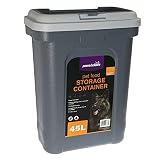
Paws & Claws 45L Pet Food Container
- Huge 45L, budget price
- Scoop included, Aussie brand
- Lid isn't fully airtight
Best for Multi-Dog Homes

IRIS USA 2-Pack Airtight Food Containers with Wheels
- Two latched airtight bins
- Wheels, scoop kept in the lid
- Plastic body can hold smells
Best for Humid Climates

EPWIOR Smart Vacuum Food Container
- One-click vacuum seal
- Beats humidity and pests
- Re-vacuum every few days

Most containers look much the same on the shelf, but the seal, the material and the capacity are what separate one that keeps food fresh for weeks from one that's really just a bin with a lid on top. Here are the five things worth checking before you buy, then our four picks side by side.
What to look for in a dog food storage container
The five details that decide whether your kibble stays fresh. Scroll across to read all five.
Airtight seal
A silicone gasket with a clamp or a screw-down lid is what keeps air and moisture out — a lid that only rests on the rim won't. The tighter the seal, the slower the fats oxidise and the longer the food stays fresh.
Material
Food-grade stainless steel won't absorb oils or odours and shrugs off pests, but it costs more. BPA-free plastic is lighter and cheaper, though it can hold a greasy smell over time; both work if the seal is good.
Capacity
Match the container to your bag, not your dog — a full 15-kilo bag wants roughly a 45-55 litre bin, while one small dog might only need 10 litres. Too much empty space leaves a big air gap sitting above the food.
Scoop and dosing
A built-in or included scoop makes it easy to feed the same amount every meal, and the RSPCA cautions against overfeeding, which is easy to do by eye. Consistent portions are simpler when the scoop lives in the bin.
Pests and moisture
Ants, weevils and pantry moths find an open bag fast, and humidity turns kibble stale or mouldy. Wheels or a light body help if you shift the bin around, and a clear window saves opening it just to check the level.
At a glance
Our top four containers compared — capacity, price, and our one-line take on each.
| Rank | Product | Best for | Key feature | Price guide | Check price |
|---|---|---|---|---|---|
| Best Overall |  | Bulk buyers who want the food-safe, long-haul option | Food-grade stainless body, airtight wooden lid, holds up to 25 lb | $$$ (25 lb) | Check price |
| Best Value Pick |  | Big bags on a tight budget | 45L capacity, clip lid and scoop, Australian brand | $$ (45L) | Check price |
| Best for Multi-Dog Homes |  | Homes feeding two dogs or two foods | Two latched airtight bins, up to 30 lb each, on wheels | $$$ (2×30 lb) | Check price |
| Best for Humid Climates |  | Humid pantries and longer-stored food | One-click vacuum seal, moisture-proof, 10L | $$$ (10L) | Check price |
Our picks in detail
What we rate, what to watch for, and the household each container really suits.
Best Overall: Paw Libero Stainless Steel Dog Food Container
Bottom line — the one to buy if you want a container that outlasts every plastic bin and never holds an oily smell.
Stainless steel is the material you want food sitting in. It doesn't react with the oils sprayed on kibble, so it won't take on a rancid smell the way plastic slowly does, and it wipes clean in seconds. The wooden lid seats onto the rim for an airtight close that keeps air, light and moisture out, and the body holds up to 25 lb (about 11 kg) — three weeks or more for a big dog.
It's built like a tall stainless drum, with a ceramic bone handle on top and side grips that make tipping food into the bowl a one-handed job. There's no gasket to lose or perish, which is part of why steel lasts, but it's the heaviest and dearest pick here, and the bare metal shows fingerprints and the odd dent if you're rough with it. For a household that buys in bulk and wants to set and forget, it's worth the extra cost — just hand-wash the lid so the timber keeps its finish.
| What we love | Areas for improvement |
|---|---|
|
|
Best Value Pick: Paws & Claws 45L Pet Food Container
Bottom line — the cheapest way to get a full 15-kilo bag off the floor and behind a lid, from a local brand.
This is the big, no-fuss bin. Forty-five litres takes a full large bag of kibble, though snugly — it's at the smaller end of what a 15-kilo bag really wants, so don't expect much headroom left on top. It comes from an Australian brand that's been doing pet basics for years. The lid clips down to keep the dog's nose and casual spills out, and a scoop's in the box, so you're portioning from day one without hunting for a cup.
What you're not getting at this price is a gasketed, properly airtight seal. The lid keeps food tidy and fresh enough for a dog that empties a bag in a few weeks, but it won't hold back humidity like the sealed picks. The grey plastic is sturdy rather than premium, and there are no wheels, so at 45 litres full it's a two-handed lift to move. For a big dog, a busy household, or anyone who just wants the bag contained cheaply, it does the core job and doesn't pretend to be more.
| What we love | Areas for improvement |
|---|---|
|
|
Best for Multi-Dog Homes: IRIS USA 2-Pack Airtight Food Containers with Wheels
Bottom line — a matched pair of latched, airtight bins on wheels, so each dog's food stays sealed and separate.
This IRIS USA set gives you two identical bins instead of one big one. Each is rated for up to 30 lb of dry food (about 13.6 kg), depending on the kibble. Snap-lock latches hold the lid down on an airtight seal that keeps out moisture and humidity. A 2-cup scoop comes with it and stores in the lid.
Two matched bins suit a house with a big dog and a small one, or a puppy food and an adult food. You only open the bin you're feeding from, so the other food stays sealed. The wheels attach to the base for rolling a full bin out of a cupboard. Leave them off if the bins live on a shelf. Each one stands about 47cm tall on its wheels. The plastic is BPA-free and lighter than steel, but it can pick up a greasy smell over time. Wash and dry both bins between bags.
| What we love | Areas for improvement |
|---|---|
|
|
Best for Humid Climates: EPWIOR Smart Vacuum Food Container
Bottom line — the pick for a humid pantry, actively pumping the air out so damp and weevils never get a foothold.
Most containers just seal the air in with the food; this one pumps it out. A button on the lid draws a negative-pressure vacuum, and less oxygen means the fats oxidise slower and moisture and insects have nothing to work with. In a humid climate, where an ordinary lid still lets kibble go soft, that active seal earns its place keeping food crisp.
At 10 litres it's the compact one here, sized for a small-to-medium dog, or about a week of a larger dog's food, rather than a bulk bag. The catch is that the vacuum isn't permanent — leave it a few days without opening and you press the button again to re-pull the seal, so you have to stay on top of it. The food-grade body feels solid for its size, and the lid mechanism is the part to keep clean and dry. If you live somewhere sticky and you've watched kibble turn stale inside a week, it's the one that fixes that specific problem.
| What we love | Areas for improvement |
|---|---|
|
|
FAQ
Do I really need an airtight container, or is the bag enough?
Should I tip the kibble straight in or keep it in the bag?
How long does dry dog food stay good once the bag's open?
Where's the best place to keep the container?
Does storing food properly change the food, or just keep the pests out?
Final thoughts
Storing food well is one of those small things that quietly pays off — you're protecting money you've already spent and feeding your dog food that still tastes the way it should. If you buy in bulk, get the biggest sealed container that fits your space and keep the original bag inside it; the bag adds a second barrier and carries the best-before date and batch code, which is one more reason reading the label is worth the minute.
Between Pepper and years of fostering, there's always been a lot of kibble moving through our house, and a sealed bin has always earned its keep over a rolled-down bag — less air in with the food should mean slower staling, and Pepper's never baulked at the last scoop. Match the container to how much you store and how humid your place gets, wash it out between bags, and you'll get years from any of these. If I had to pick one for a big dog and a big bag, I'd spend up for the metal and stop thinking about it.
We Think You’ll Also Like These Guides
 DOG
DOGBest Automatic Dog Feeders in Australia – The Ultimate Guide
Portion-perfect meals on time, every time. We compared the best automatic dog feeders for busy households and weight-watching pups.

 DOG
DOGBest Automatic Dog Feeders for Large Dogs in Australia
Four automatic feeders that keep up with a big dog — from a 12L smart feeder to a 25lb gravity bin — and how to pick the right one for your large…

 DOG
DOGBest Elevated Dog Bowls in Australia: Ultimate 4 Picks
Raised bowls can ease strain for older or larger dogs. We found the best for comfortable, tidier mealtimes.