Dogs | Comfort
Do dog cooling mats work? How they cool a dog and what they can't do
Pet shops sell cooling mats every summer, and the packaging says they help a hot dog cool down. But some dogs walk straight past a new mat and lie on the bare tiles instead. Two things decide whether a mat is worth buying: how well it cools, and whether your dog will lie on it. A good mat does give your dog a cooler surface to lie on. Whether your dog uses it depends on the mat you pick and where you put it.
The Upshot
A good cooling mat gives a warm dog a cooler place to lie.
A gel mat absorbs heat from your dog, and a cooling-fabric mat feels cool to the touch. Neither needs power or a freezer, so it costs nothing to run. A mat is also light enough to move to the crate, the floor or the car.
Best Cooling Mat

Vagascape Dog Cooling Mat
- No gel, plug or freezer required
- Light, foldable and easy to store
- Won’t feel icy like gel mats
See the full Product Guide: Best Dog Cooling Mats in Australia
Best Outdoor Bed

Coolaroo The Original Elevated Dog Bed
- Off-ground airflow keeps dogs cool
- Raised frame eases joint pressure
- Very firm, with no padding
See the full Product Guide: Best Dog Cooling Beds in Australia

On the first hot day of summer, our staffy Pepper leaves her bed and lies flat on the laundry tiles, because they’re the coldest surface in the house. A cooling mat gives a dog that same cool surface wherever you put it, such as in their bed, their crate or the car, so they don’t have to search the house for a cold floor.
This guide explains how the common types of cooling mat cool a dog, what they can and can’t do, and how to get a dog to use one. By the end you’ll know whether a mat is worth buying for your dog, and which kind suits the dog you have.
Quick Takeaways
The five things worth remembering. Scroll across to read all five.
Cooling by contact
A mat cools the surface your dog lies on. Heat passes from the dog into the mat, but the air temperature in the house doesn’t change at all.
No power needed
Gel and cooling-fabric mats work without power, so there’s nothing to plug in or freeze. They cost nothing to run and are easy to move from room to room.
Sort the basics first
On a hot day a dog needs shade, fresh water and moving air above all else. Once those are sorted, a mat can add a cooler spot to lie on as well.
How much your dog chews
A dog that chews a lot can tear a fabric mat or break open a gel mat quickly. Choose a mat that suits how much your dog chews.
Placement matters
Put the mat where your dog already lies down, in shade with some airflow. If you put it in the sun, or a spot your dog avoids, they won’t lie on it.
How a cooling mat cools your dog
Dogs don’t sweat through their skin the way we do. Panting is their main way to cool down. Lying on a cool floor helps too, which is why a dog lies flat on the kitchen tiles on a hot afternoon.
There are two common kinds. A gel mat is a sealed pad filled with a cooling gel. The gel absorbs body heat as soon as a dog lies on it, and once the dog steps off for a while it cools down again on its own. There is nothing to plug in. A cooling-fabric mat is a smooth, breathable pad that feels cool to the touch. Both work without power, a freezer or batteries. The third option people consider is an elevated bed, which cools a different way by lifting the dog off the ground so air can move underneath.
| Type | How it cools | Best for |
|---|---|---|
| Gel mat | Sealed gel absorbs body heat on contact, then cools down once the dog steps off | Still sleepers and a quick cool-down spot |
| Cooling-fabric mat | Smooth, breathable fabric that feels cool to the touch | Everyday use, easy washing and travel |
| Elevated bed | Lifts the dog off the floor so air moves on all sides | Patios, outdoor sleepers and older dogs |
Key Insight
A cooling mat cools only the part of your dog that touches it. The mat only cools your dog while they’re lying on it.
What a cooling mat can’t do
A cooling mat has real limits. It doesn’t change the temperature of the room, so on a hot day your dog still needs shade, water and moving air. The RSPCA’s hot-weather advice is to give pets free access to water and cool areas to retreat to, and a cooling mat is an extra on top of those basics.
The cooling also doesn’t last all day. If a dog lies on one spot long enough, that patch warms up. A gel mat only cools again after the dog has been off it a while. A fabric mat only ever feels slightly cool. On very hot days, our guide on when it’s too hot to leave a dog outside explains the temperatures at which a dog is at risk.
Which dogs need help in the heat most
Every dog needs shade and water on a hot day, but some struggle more than others. The RSPCA’s heatstroke page (linked in the vet box above) lists the dogs most at risk:
- Flat-faced breeds such as pugs, bulldogs and French bulldogs, because they can’t cool down by panting as well as other dogs.
- Very young puppies, which can’t control their body temperature well yet.
- Very old dogs, which are more likely to have health problems that make cooling down harder.
- Dogs that exercise hard, or exercise in hot weather without enough rest, shade or water.
The RSPCA also lists hot, humid days, still air and being shut in a car as risks. If your dog fits one of these groups, a cooling mat is a sensible extra, but the shade, water and moving air matter even more. On hot days, walk them early in the morning or in the evening, when it’s cooler. Keep walks short, bring water, and let them rest in the shade when they want to.
Gel or fabric: which to choose
Both types work without power, so the choice comes down to your dog and how you’ll use the mat.
A gel mat feels the coolest when your dog first lies down. That suits a dog that comes inside hot and wants a quick cool-down spot. The cool feeling fades as the gel warms up, and it only comes back once your dog has been off it for a while. Gel mats are a poor choice for a dog that chews. A dog that bites through the pad can reach the gel inside.
A cooling-fabric mat never feels as cold as gel, but it stays about the same while your dog lies on it. It’s usually lighter, folds up easily and often goes in the washing machine. That makes it the easier mat to keep in the car or move between rooms. Our guide to keeping your dog safe in the car covers the rest of a road-trip setup.
If your dog likes to lie in one place for hours, a fabric mat or an elevated bed is usually the better fit. An elevated bed lifts your dog off the floor so air moves underneath, and our roundup of the best dog cooling beds in Australia compares the main options. If your dog likes a short lie-down after a walk, a gel mat gives the most noticeable cool feeling.
Getting the size right
A mat only cools the part of your dog that touches it, so size matters. Choose a mat your dog can lie on fully stretched out. Dogs often stretch out flat when they’re hot.
To check, measure your dog lying on their side, from nose to the base of the tail, and compare it with the mat’s length. If the mat is going in a crate, measure the crate floor too. A mat that bunches up in the corners is uncomfortable, so your dog may lie beside it.
Using a cooling mat in the car
A cooling mat is easy to take on a road trip, and a fabric one folds small enough to keep in the boot. It can make a long drive in summer more comfortable for your dog. It can’t make a parked car safe, though. Never leave your dog in a parked car on a warm day, even with a mat and the windows down.
The same RSPCA page says car trips can bring several heatstroke risks together: little air flow, no shade or water, and a hot space. On the road, you can deal with each of these:
- Keep the air-conditioning on, or keep air moving through the car.
- Shade the back windows so the sun isn’t on your dog.
- Stop for water breaks, and carry a bowl and a full bottle.
- Put the mat where your dog rides, such as the back seat or the crate floor, and check it isn’t sitting in the sun.
Plan longer trips for the cooler parts of the day where you can. If your dog starts panting hard or seems unsettled, pull over somewhere shady and let them cool down.
Will your dog use it?
Some dogs lie on a cooling mat straight away and use it all summer. Others never settle on it and keep lying on the tiles. A mat that feels firm or unfamiliar can put a dog off at first, so give them a few days to get used to it before you decide it doesn’t work.
The right mat also depends on your dog’s age and how much they chew. A calm older dog who sleeps in one place will usually use a mat. A young dog who chews can tear a fabric mat apart quickly. For a dog that chews, it’s worth paying more for a tougher mat. Our roundup of the best dog cooling mats in Australia says which mats hold up to chewing and which suit a dog that lies still.
How to get the most from a cooling mat
Most dogs will settle on a cooling mat if you put it in the right spot, keep it clean, and give them time to get used to it.
-
Put it where your dog already rests
Lay it in the spot your dog chooses on a hot day, such as the shady corner or the cool hallway, well away from a sunny patch by the window. A mat in direct sun just warms up, and the dog avoids it.
-
Let them find it in their own time
Don’t force a wary dog onto it. Put it down where they rest, leave it there, and let them choose it. A favourite toy or a treat placed on top helps a wary dog get used to it faster.
-
Pair it with the basics
Keep fresh water close, draw the blinds against the afternoon sun, and get some air moving with a fan or a breeze. The mat works best with all three in place.
-
Keep it clean
Wipe a gel mat down and wash a fabric one as the label allows, since many go straight in the machine. Dogs often stop lying on a dirty, hairy mat, so a quick clean keeps it in use.
-
Watch a chewer early on
Supervise the first few sessions if your dog chews. Take the mat away if your dog starts chewing a seam, because the gel inside isn’t made to be eaten. Give a dog that chews a tough fabric mat or an elevated bed instead.
FAQ
Do dog cooling mats really work?
Do you have to freeze a dog cooling mat?
Are gel cooling mats safe for dogs?
How long does a cooling mat stay cool?
Cooling mat or cooling bed: which is better?
Final thoughts
On hot days Pepper heads for the cool laundry tiles. A cooling mat gives a dog that kind of cool surface in their own bed or crate, and I think a decent one is good value for most dogs. Just don’t rely on it to keep a dog safe in dangerous heat.
If your dog sleeps outdoors, is getting old or needs more support, I’d look at an elevated or cooling bed as well, because it adds airflow and support that a flat mat can’t. And if your dog chews a lot, I’d skip gel altogether and choose a tough fabric mat or an elevated bed.
We Think You’ll Also Like These Guides
 DOG
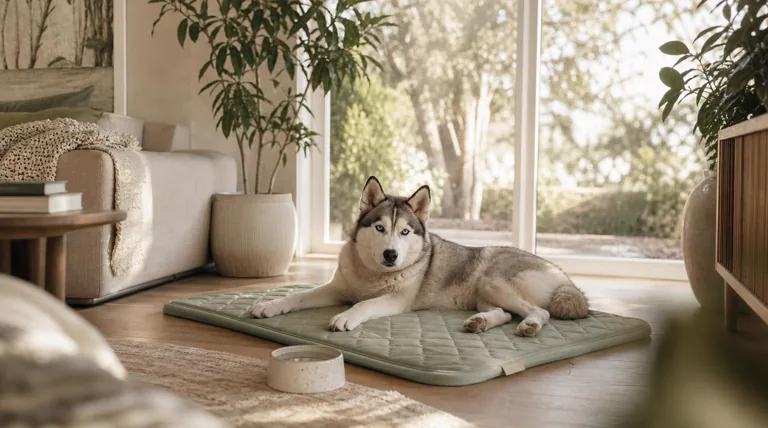
Best Cooling Mats for Dogs in Australia: Ultimate Guide
When the heat hits, a cooling mat gives your dog a place to chill. We found the best for safe, lasting relief through summer.

 DOG
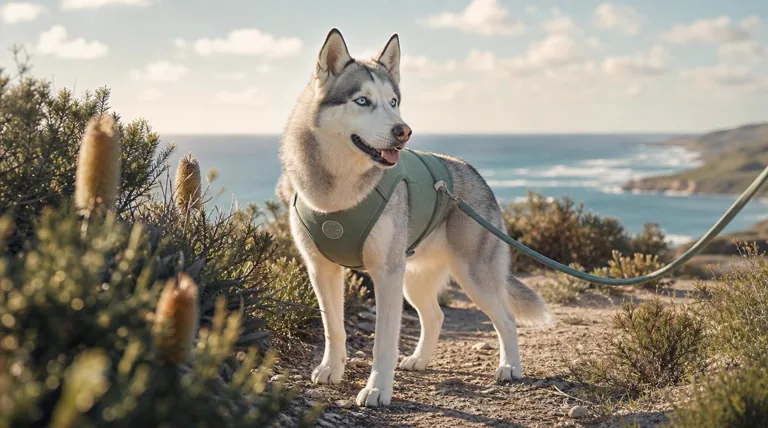
Best Cooling Vests for Dogs in Australia: Your Ultimate Guide
On scorching days, a cooling vest helps your dog stay active and safe. We compared the best for fit, cooling power and Aussie heat.

 DOG
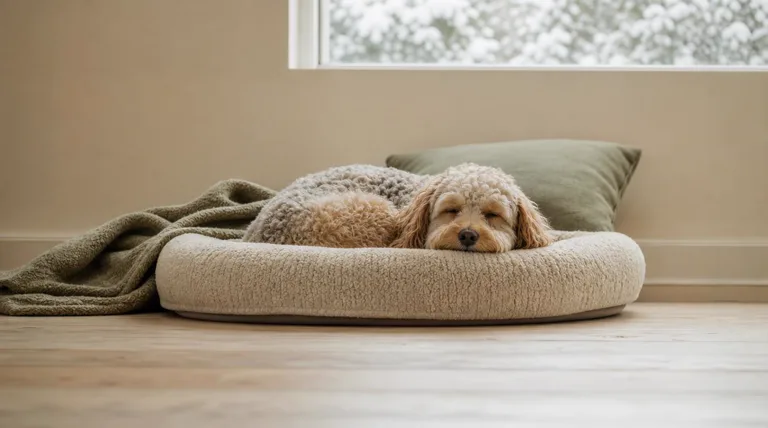
The Best Heated Dog Beds for Australian Winters: Ultimate Guide
A frosty morning is hard on an old dog. We found four heated beds — electric, cordless and no-plug — to keep your dog cosy through an Aussie winter.