Dogs | Health
Arthritis in Dogs: Signs, Causes and How to Ease the Pain
The first sign is rarely dramatic. It's the dog that used to clear the boot in one bound now waiting for a lift, or the one that takes the back steps a little slower than it did last winter. We tend to file that under “getting old” and leave it there, because a dog slowing down with age is the most ordinary thing in the world. But stiff, sore joints and simple ageing look almost identical from the outside, and telling them apart matters — ageing is just the years passing, while sore joints are a treatable, day-in day-out kind of hurt that responds well to being caught early.
The Upshot
With dogs, the signs of arthritis are usually right there — we just call it “getting old”.
By their senior years most dogs carry some joint wear, and the bigger the breed the earlier it tends to show. The stiffness and the shorter walks creep in slowly enough to feel normal, but caught early there’s a lot you can do to keep an older dog comfortable and moving well.
Best Joint Supplement

Rose-Hip Vital Canine
- Pure rosehip powder, no additives
- Backed by published canine studies
- Takes about three weeks to show
See the full Product Guide: Best Joint Supplements for Dogs in Australia
Best Omega-3 for Dogs

Nordic Naturals Omega-3 Pet, Unflavored
- Clear omega dose per soft gel
- Capsule form, no oily bowls
- Fussy dogs may refuse capsules
See the full Product Guide: Best Omega 3 Supplements for Dogs in Australia

Arthritis — osteoarthritis, to give it its full name — is wear and inflammation in the joints that builds up over years. It's one of the most common problems vets see in older dogs, and it's more common still in big dogs, who load more weight onto every joint and often start showing wear younger than their smaller mates. The tricky part isn't that dogs hide it. Unlike cats, dogs usually do show us something's wrong — a limp, a groan getting up, a lag on the walk. The tricky part is that those signs arrive so gradually we adjust to them without noticing.
This guide covers what canine arthritis is, the signs that separate a sore dog from a merely older one, and the practical moves — the ones you make at home and the ones with your vet — that keep a stiff dog comfortable and mobile. Nothing here stands in for a real diagnosis, and nothing here is a cure. But arthritis is one of those conditions where small, early changes add up to a lot, and where doing nothing is the one option that reliably makes things worse.
Quick Takeaways
The five things worth remembering. Scroll across to read all five.
It's not just age
A dog slowing down isn’t automatically fine. Stiffness, lagging on walks and trouble on stairs are signs of pain, and they’re worth a closer look.
Weight matters most
Every extra kilo loads joints that already hurt. Keeping a dog lean does more for sore joints than almost anything on the shelf, and it’s the one factor you fully control.
Big dogs, earlier
Large and giant breeds carry more load and tend to show wear younger. With a Lab, a shepherd or a retriever, watch for the early signs from middle age, not old age.
Home setup helps
Grip on slippery floors, a ramp into the car, a warm supportive bed and raised bowls take the strain out of a sore dog’s day. None of it is dramatic; all of it adds up.
Vets lead, supplements support
A vet confirms it, rules out the mimics and prescribes the pain relief that does the real work. Everything you do at home stacks on top of that plan — never in place of it.
The condition we mistake for old age
A dog getting slower in its later years looks so natural that most of us never question it. But “slower” and “sore” can be the same thing wearing a disguise, and knowing which is which is what counts. Arthritis is progressive — it doesn’t arrive one morning, it creeps in over seasons — which is exactly why it’s easy to accommodate without realising. We start throwing the ball a bit less, taking the shorter loop, lifting the dog into the car, and each small adjustment feels like kindness — the sort of small accommodation nobody thinks twice about.
It’s far more common than most owners assume. A large UK study of more than 450,000 dogs in general practice found that dogs over 40kg had more than eleven times the odds of an arthritis diagnosis compared with dogs under 10kg, with Labradors and golden retrievers among the breeds most affected. Two things fall out of that. Size and weight load the joints, so bigger dogs and heavier dogs feel it sooner and harder; and if you own one of the popular large breeds, arthritis isn’t a distant maybe — it’s something to watch for from middle age onwards.
How arthritis shows up in dogs
The signs come on gradually, so the only yardstick that works is your own dog a year or two back. The RSPCA lists the everyday signs as slowing down, stiff legs, reluctance to walk, licking or chewing at the joints, snapping or yelping when touched, and trouble getting up, climbing stairs or jumping. Any one of those on its own might be nothing. A few of them together, in a dog past middle age, is a pattern.
The earliest clues are the quiet ones, and taken one at a time they’re easy to shrug off. A slow, stiff rise that eases once the dog is up and about. A lag at the back end of a walk that never used to be a problem. A pause at the car boot, or at the foot of the stairs, where there was never a pause before. A little less spark when the lead comes out. Left alone, the picture sharpens into things there’s no missing — a real limp, a bunny-hop off the back legs, stiffness that bites hardest in the cold, muscle melting away from the hindquarters, a joint licked until the fur stains. Those first quiet clues are the ones worth chasing, because they mark the window where you can still change how the whole thing plays out.
Mood shifts count too. A dog in ongoing pain can get grumpier, more withdrawn, or less patient with the kids and other pets than it used to be, and it’s easy to read that as a personality change and miss the discomfort underneath. Restlessness at night, struggling to settle, or pacing before it can get comfortable are all worth noting. None of this is proof on its own — but it rounds out the picture, and it’s the kind of detail your vet will want to hear.
Making home easier on sore joints
The heaviest-hitting change here costs nothing and isn’t a supplement at all: get the weight off. A dog carrying even a little extra is asking sore joints to haul a load they don’t need, and taking that load away is about the closest thing to a free win there is. A leaner dog hurts less and gets around better, full stop. If your dog is carrying extra weight, a gentle, vet-guided slim-down will do more for its comfort than most of what you can buy. Getting the daily portions right is where that starts, and it’s worth being clear-eyed about treats and table scraps, which add up faster than we like to admit. Our guide to working out the right daily portion for your dog is a good place to begin.
Movement still matters — a sore joint that never moves stiffens further, and the muscle that supports it wastes away. The aim is little and often — short, regular outings your dog can handle. Two or three short, flat walks a day are kinder than one long weekend hike, and gentle, even ground beats stairs, jumps and skidding turns. Let the dog set the pace, watch for it flagging, and keep the routine steady — consistency does more than intensity here.
Warmth does more than it gets credit for. Stiff joints stiffen further in the cold, and a dog that’s sore will feel every degree the temperature drops — which is why the worst mornings tend to be the frostiest ones, and why a bad cold snap can set a dog back. A supportive, well-padded bed out of the draught gives the joints a proper rest, and in properly cold weather a heated bed made for dogs can be the difference between a dog that settles and one that shifts about all night. Thick orthopaedic-style padding matters far more than a thin mat on a hard floor.
Then smooth the daily route. Slippery tiles and floorboards are hard, unnerving work for weak back legs, so lay a few runners or rugs on the routes your dog travels most, and they’ll get back the grip and the confidence they’ve been losing. A ramp into the car saves a painful jump, raising the food and water bowls means no crouching low over them, and keeping the dog’s main spots on one level avoids a staircase it would rather skip. None of this is about bubble-wrapping the dog. It still needs to move — movement is part of the treatment — you’re just clearing the small daily obstacles that turn a trip to the water bowl into something that hurts.
| Home change | Why it helps a sore dog |
|---|---|
| Keeping weight in check | Takes weight off joints that already ache — the biggest lever you hold. |
| Short, frequent, flat walks | Keeps joints moving and muscle on without the strain of long hikes. |
| Grip on slippery floors | Runners and rugs give unsteady back legs traction and confidence. |
| A ramp into the car | Removes a hard jump that jars sore hips and elbows. |
| Warm, supportive bedding | Eases stiffness and helps a sore dog rest and settle properly. |
What supplements can and can’t do
Supplements are the first thing most of us reach for, and they can have a place — as a supporting player. It pays to go in clear-eyed, though. The RSPCA points out that many joint supplements on the market don’t have strong evidence behind them, and that none of them should stand in for proper veterinary treatment. So treat them as a helpful layer on top of the weight and comfort basics.
A couple are worth knowing about. Glucosamine and chondroitin are the long-standing joint-support compounds — they nourish the cartilage and joint fluid a little at a time, so any benefit builds slowly across weeks of dosing. Rosehip is another that’s earned some attention, with a handful of published canine trials pointing to anti-inflammatory compounds that can ease stiffness; it’s one of the few joint supplements with real dog-specific research behind it. Either way, give any supplement a few weeks before you judge it, and use a product made for dogs at the right dose for their size.
Marine omega-3 — the EPA and DHA that fish and salmon oils are rich in — is the other one with a reasonable case. These fatty acids are anti-inflammatory, and fed daily and given time, there’s evidence they can take the edge off the signs of joint disease in dogs. Like the others, it’s a long-game addition that earns its keep sitting on top of the weight-and-comfort foundations. One rule holds across all of them: clear anything new with your vet before you start, particularly for an older dog or one already on medication — some combinations don’t sit well together, and your vet will know which.
The part only your vet can do
The step that does the most is the one that’s easiest to defer — booking the vet. Slowing down and stiffness point at arthritis, but a handful of other conditions can look just like it from across the room, so an exam earns its keep twice over: it names what’s wrong and clears the look-alikes off the table. From there a vet can set up real pain relief, and that’s where the biggest difference is made. Modern anti-inflammatories and pain medications for dogs are safe and effective when they’re prescribed and monitored, and they do the heavy lifting that home tweaks and supplements can only support.
A hard rule to finish on: your own medicine cabinet is off-limits. Paracetamol, ibuprofen and their relatives are toxic to dogs, sometimes at doses that look harmless, and reaching for them out of sympathy is a quick way to turn a sore dog into an emergency. Anything a dog takes for pain has to be made for dogs and signed off by a vet. Leave that side of it to the professionals and the outlook is bright — weight under control, a home set up to make the dog’s day easier, and a proper pain plan on top, and most arthritic dogs hold onto their comfort and their mobility for years.
FAQ
How do I know if my dog has arthritis or is just getting old?
In practice you often can’t tell them apart by eye — which is why a vet check matters. But the pattern to watch for is a lasting change against your dog’s own normal: stiffness or a slow rise after rest, lagging on walks it used to breeze through, hesitating at stairs or the car, or licking at a joint. One of those might be nothing. Two or three together in an older dog are worth a proper look.
At what age do dogs get arthritis?
Arthritis is mostly an older-dog problem, and the risk keeps rising the older a dog gets — by the senior years a fair share of dogs carry at least some joint wear, even with no obvious signs. But age isn’t the whole story. Big and giant breeds, overweight dogs, and dogs with a past joint injury or a condition like hip dysplasia can show it much earlier, sometimes from just a few years old. As a rule of thumb, the bigger the dog, the sooner it’s worth watching for the early signs.
Can I give my dog glucosamine, fish oil or other joint supplements?
Yes, as long as you treat them as helpers that support the wider plan. Glucosamine and chondroitin build joint support over weeks of daily use, and marine omega-3 oils have real anti-inflammatory evidence behind them in dogs. The catch is that plenty of joint products have thin evidence behind them, and none is a stand-in for veterinary treatment. Stick to formulas made for dogs, give them a few weeks before you judge them, and check with your vet first if your dog is already on other medication.
What can I give a dog for arthritis pain at home?
For actual pain relief, the answer is whatever your vet prescribes — and nothing from your own medicine cabinet. Human painkillers like paracetamol and ibuprofen can be toxic to dogs, so they’re never an option. What you can do at home is everything around the medication: keep your dog lean, keep it moving gently and often, put grip on slippery floors, use a ramp instead of a jump, and give it a warm, supportive bed. Those changes, plus a vet’s pain plan, are what keep a sore dog comfortable.
Does arthritis in dogs get worse over time?
It’s a progressive condition, so left alone it does tend to worsen — the joint wear doesn’t reverse. The good news is that it’s very manageable. Catching it early, keeping weight off the joints, staying gently active and getting a vet-led pain plan in place can slow the decline and keep a dog comfortable and mobile for years. Doing nothing is the one approach that reliably lets it get worse, so the earlier you act, the better the outlook.
Final thoughts
Bruce is a golden retriever, which lands him right in the group most prone to sore joints later on, so this one hits close to home. At his age it’s all about prevention — watching his weight, keeping his exercise regular but sensible, and not shrugging off the first stiff morning if it comes. That’s the frame worth holding for any dog: arthritis isn’t something that switches on at a set age, it’s a slow slide you can stay ahead of by paying attention.
If your dog is already into its greyer years and you’ve noticed the walks getting shorter or the stairs getting slower, try not to write it off as old age and leave it there. Book the vet visit, get the weight and the home setup sorted, and keep supplements in their place as support. Plenty of arthritic dogs go on to have comfortable, mobile years ahead of them — the hard part is noticing it early, and then acting on it.
We Think You’ll Also Like These Guides
 DOG
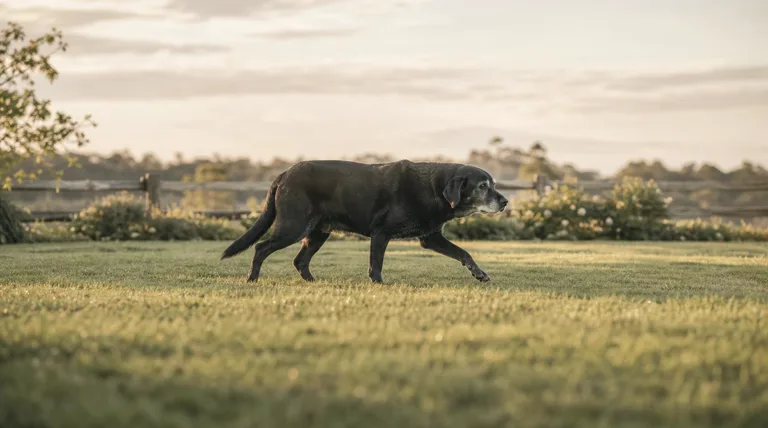
DOG4Cyte vs Antinol for Dogs: What the Dog Trials Show
Two premium joint oils on very different evidence. We compare the dog trials, what each capsule and gel really contains, and the cost of keeping…

 DOG
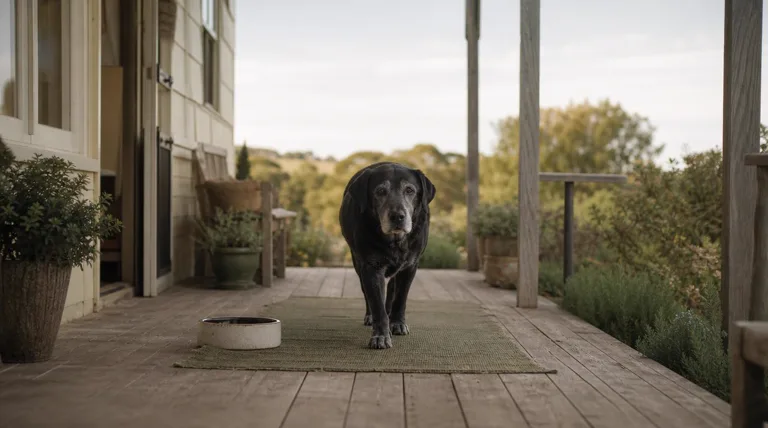
DOG4Cyte vs Rose-Hip Vital: Which Dog Joint Supplement Wins?
Same orange tubs, opposite ideas. We compare Rose-Hip Vital and 4Cyte on research, cost and which suits your dog’s stage.
 DOG
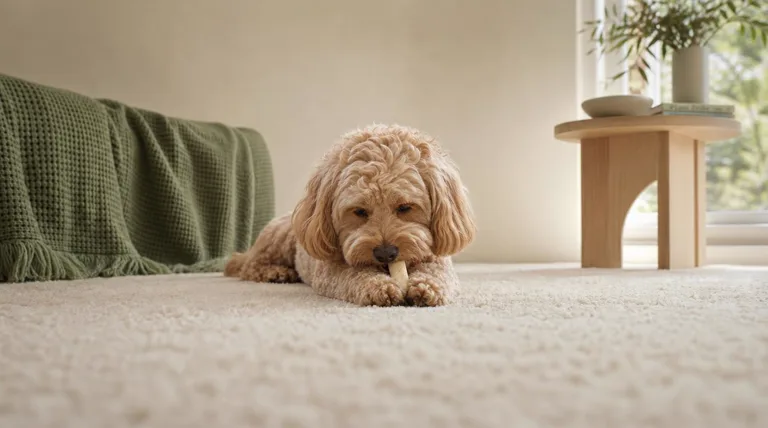
DOGBest Dental Chews for Small Dogs in Australia: Ultimate Guide
Small dogs get dental disease early. We rank four dental chews for toy and small breeds on plaque control, size and value.